Your FPV journey

GETTING STARTED

Sim sticks, rip a whoop, then build the quad that takes you to the start gate. Three steps — pick where you are and dive in.

Use the shop links in each step when we stock matching gear — or browse the full race shop.

Level 01 · Simulator

SIMULATOR

Train like you race — hours on the sticks in-game before you bend a prop in real life.
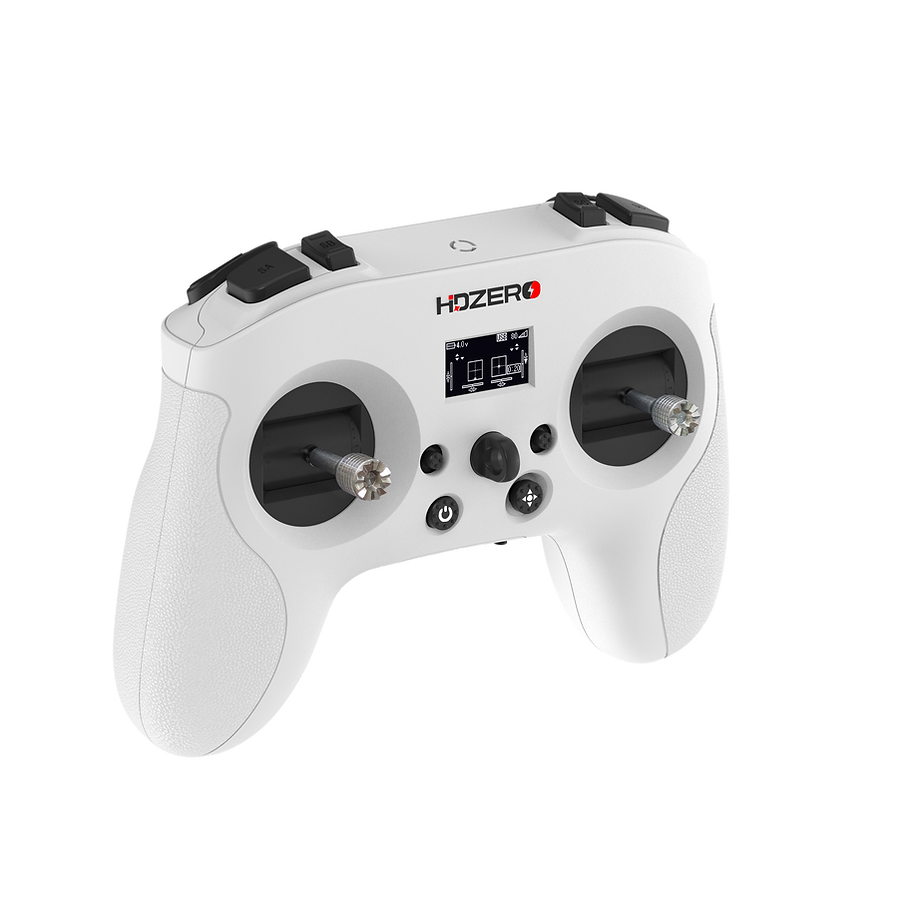
HDZero Radio — compact beginner-friendly transmitter for simulator practice and flying
HDZero Radio — sim & field
Velocidrone FPV simulator
Velocidrone

Start on the sticks without crashing real hardware. Velocidrone and similar sims teach throttle control, cornering, and racing lines. Put in hours until you can complete laps consistently — it pays off massively on a real quad.

  • Use a real radio (USB adapter or ELRS WiFi) when possible so muscle memory matches your field setup.
  • Practice both race tracks and freestyle to build spatial awareness.
Level 02 · Real air

WHOOPS

Micro quads, big fun — rip laps at home or in the hall with gear that survives crashes.

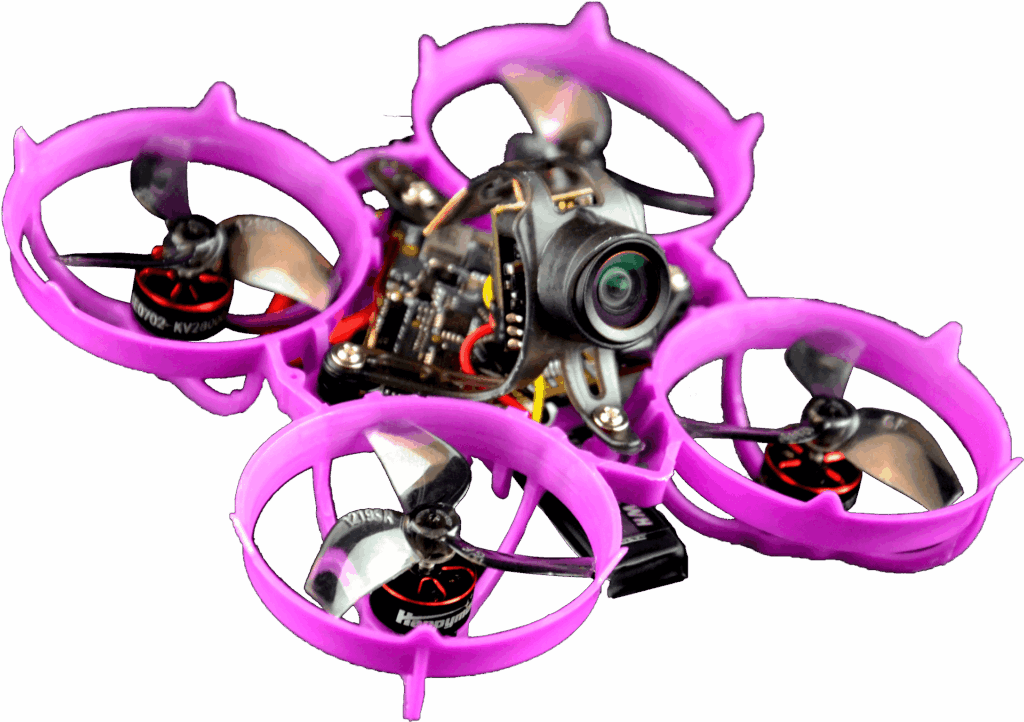
Tiny whoop FPV drone render

Tiny whoops are ideal for flying at home or in a hall: durable, low risk, and perfect for learning real-world orientation after the sim. They teach battery management, real-world latency, and how gates feel under your thumbs.

  • 1S–2S brushless whoops are the sweet spot for many beginners moving from sim to air.
  • Join indoor race practice — see our Whoop League for venues and calendar.
Level 03 · Build

BUILD YOUR RACE DRONE

Frame, stack, motors, VTX — put it together yourself and know every solder joint before race day.

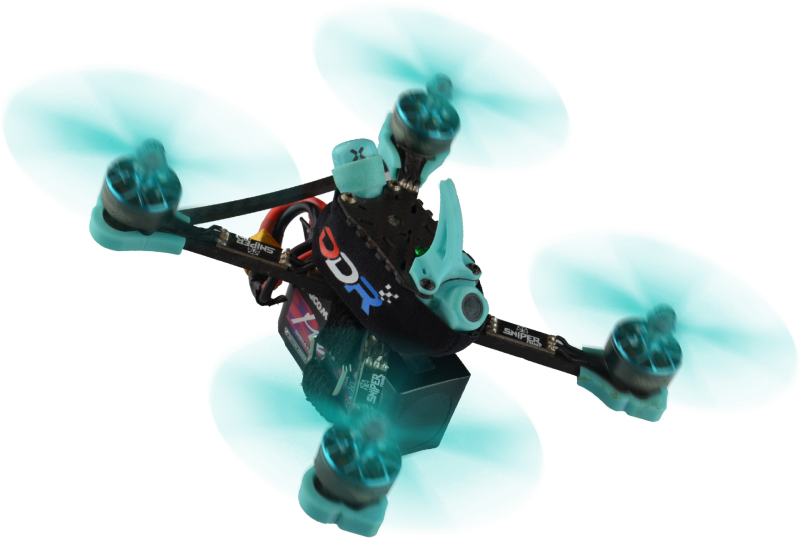
5 inch FPV race quad (Sniper X) render — cyan accents, transparent background

When you are ready for outdoor speed and league rules, move to a 5" (or league-specific) build: frame, flight controller, ESC, motors, VTX, and receiver to match your radio. Building yourself helps you maintain and tune the quad between race weekends.

  • Check league specs (e.g. Spec League, Mini Spec) before buying parts.
  • Always verify receiver protocol (ELRS, Crossfire, etc.) matches your transmitter.

What’s next